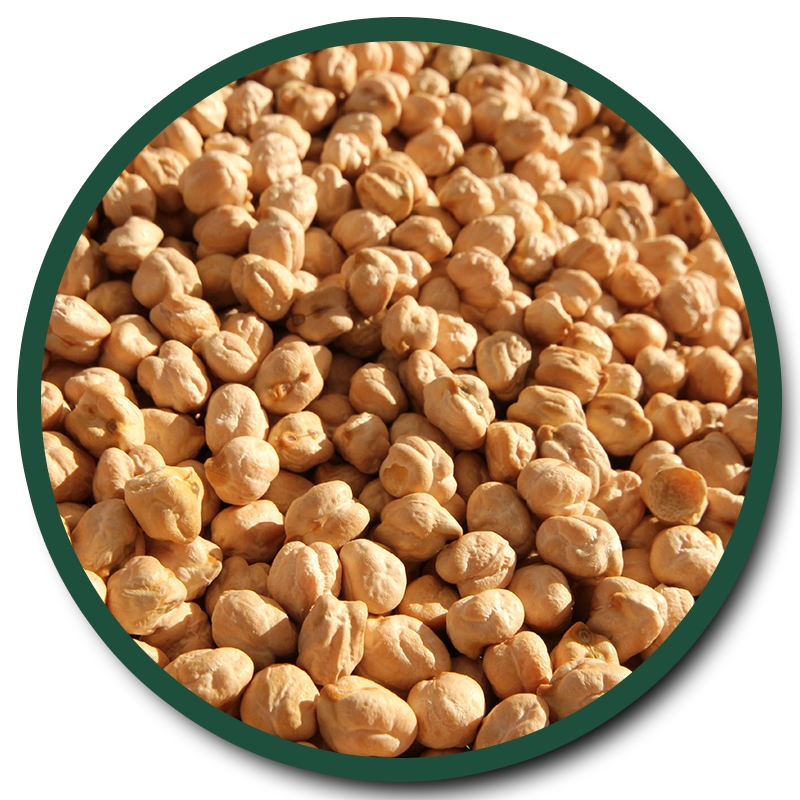
Premium Chickpeas
Chickpeas — Cicer arietinum — are one of the oldest cultivated legumes in human history, and today rank as the third most consumed legume globally after soybeans and groundnuts. India accounts for the world’s dominant share of production and export, supplying processors, traders, and retailers across the Middle East, Europe, North America, Africa, and Australia.
Two principal commercial types define the international chickpea trade: Kabuli and Desi. Kabuli chickpeas, with their large cream-coloured seeds, light seed coat, and mild flavour, are preferred in the Middle East, Mediterranean, and Western consumer markets for hummus, salads, stews, and canned products. Desi chickpeas, darker, smaller, and with a comparatively tougher seed coat, are prized for their higher protein, fibre, and iron density, and form the basis for split chickpea (chana dal) and roasted chickpea snack production.
The growing global trend toward plant-based proteins and clean-label nutrition has substantially increased international demand for chickpea flour, chickpea pasta, chickpea milk, and extruded chickpea snack ingredients. Our chickpeas are machine-cleaned, gravity-separated, and colour-sorted for maximum uniformity and visual appeal, meeting the quality standards of both commodity trade and value-added food manufacturing.
Key Properties
- High Protein Content
- Rich Dietary Fiber
- Excellent Cooking Quality
- Uniform Grain Size
- Long Shelf Life
- Export Grade Processing
Chickpeas Specifications
| Parameter | Specification |
|---|---|
| Appearance | Whole, Clean, Mature Seeds |
| Color | Light Beige to Cream |
| Shape | Round to Angular |
| Odor | Characteristic |
| Taste | Characteristic |
| Purity | 99% Min |
| Moisture | Max 12% |
| Foreign Matter | Max 0.5% |
| Damaged Grains | Max 1% |
| Broken Grains | Max 2% |
| Shriveled Grains | Max 2% |
| Insect Infestation | Nil |
| Live Insects | Nil |
| Protein | 18 - 22% |
| Carbohydrates | 55 - 65% |
| Dietary Fiber | 10 - 15% |
| Fat | 4 - 6% |
| Energy Value | 350 - 380 Kcal / 100g |
| Ash Content | 2 - 4% |
| Total Plate Count | As Per Buyer Requirement |
| Yeast & Mold | Within Acceptable Limits |
| E. Coli | Absent |
| Salmonella | Absent |
| Pathogenic Organisms | Absent |
Frequently Asked Questions for Chickpeas Specifications
We export machine-graded Kabuli chickpeas in all globally traded sizes: 7mm (44/46 count/oz), 8mm (42/44 count/oz), 9mm (40/42 count/oz), and jumbo 12mm (38/40 count/oz).
We use multi-stage gravity separators to pull out flat or hollow pods, alongside optical color sorters to ensure deep, consistent seed coat color and uniform density.
Our strict export parameters mandate a maximum moisture limit of 12%, total damaged or weevil-bitten grains under 1%, and foreign organic matter below 0.5%.
We utilize only internationally approved, safe gas fumigation methods strictly required to secure official phytosanitary export clearance certificates, leaving zero harmful chemical residues on the food.
Yes, alongside our standard bulk 25 kg/50 kg bags, we support full private-label packaging services, putting your brand directly onto retail bags from 500g up to 5kg.
Key Industries
-
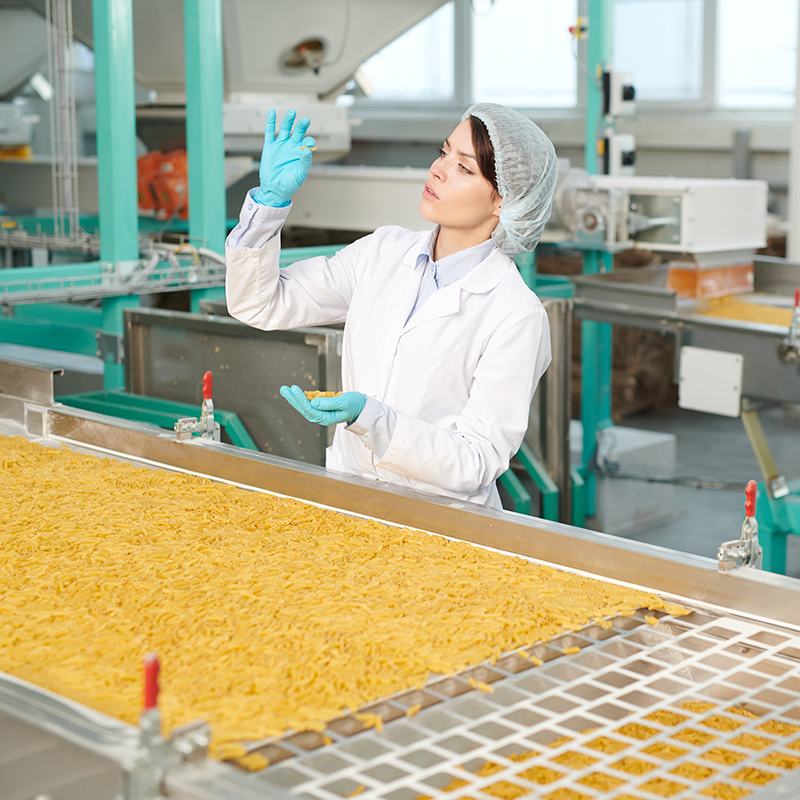
Food Processing Industry
A versatile, nutritious ingredient used in ready-to-cook foods, canned products, soups, spreads and bakery formulations, valued for its high protein and fiber content.
-
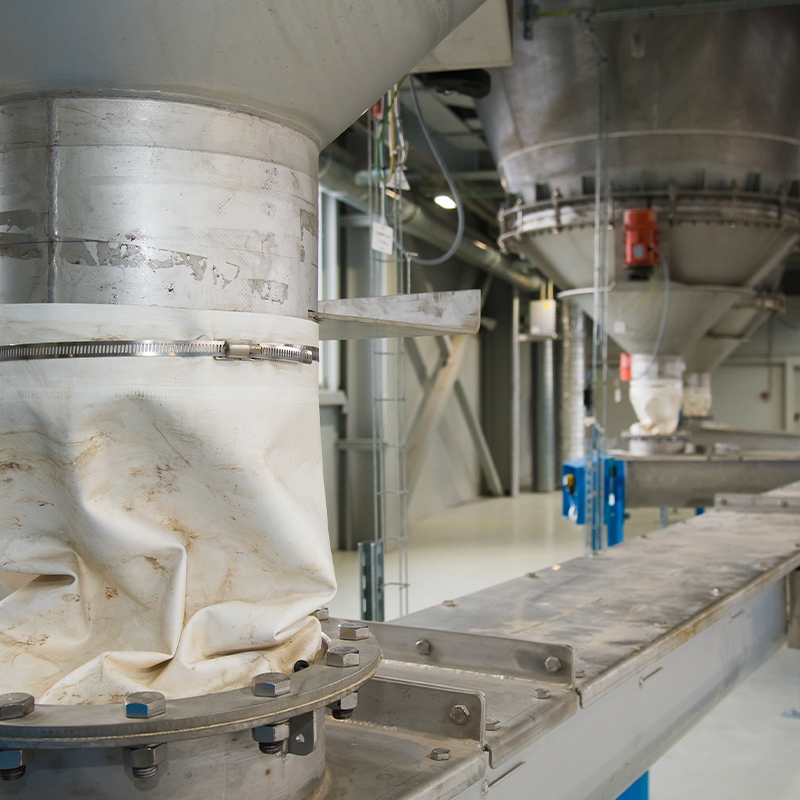
Flour (Besan) Production
Desi chickpeas are milled into besan (gram flour) — a staple ingredient for batters, sweets, snacks and gluten-free baking across global cuisines.
-
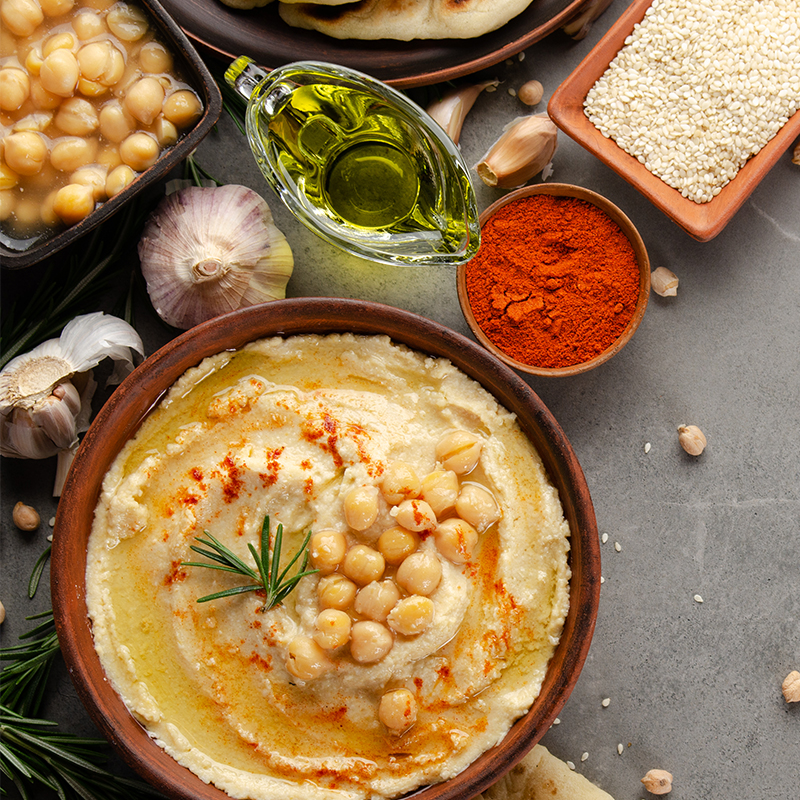
Hummus & Middle East Cuisine
Large cream-coloured Kabuli chickpeas are preferred across the Middle East and Mediterranean for hummus, falafel, salads, stews and canned products.
-
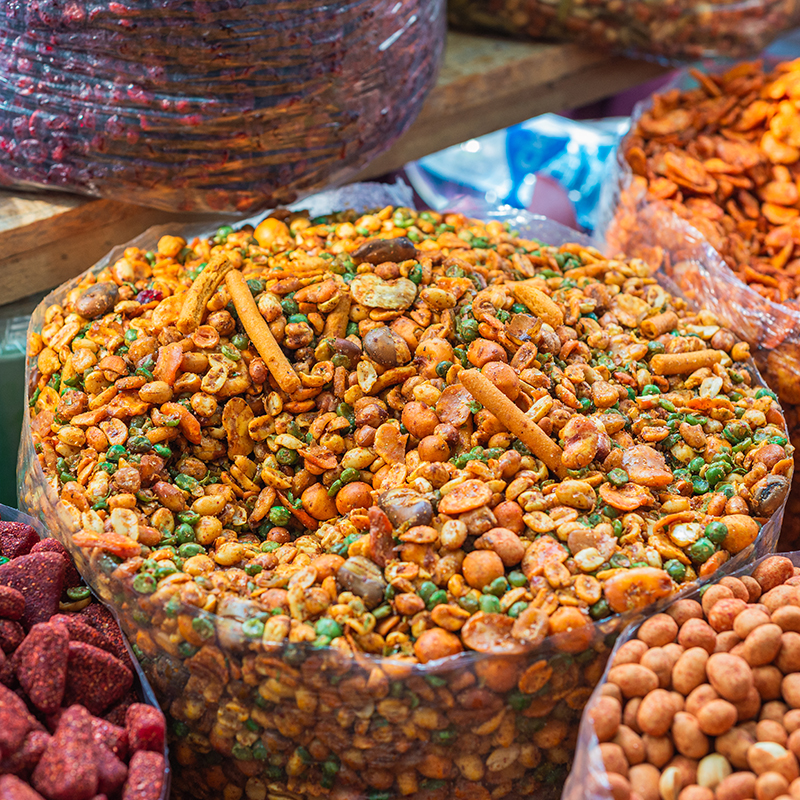
Snacks & Namkeen
Roasted and seasoned chickpeas form the base of protein-rich snacks and traditional namkeen, meeting growing demand for nutritious snack alternatives.
Download Product Brochure
Get the complete Chickpeas data sheet, quality grades and packaging details in a single downloadable document for your procurement team.
Download Brochure