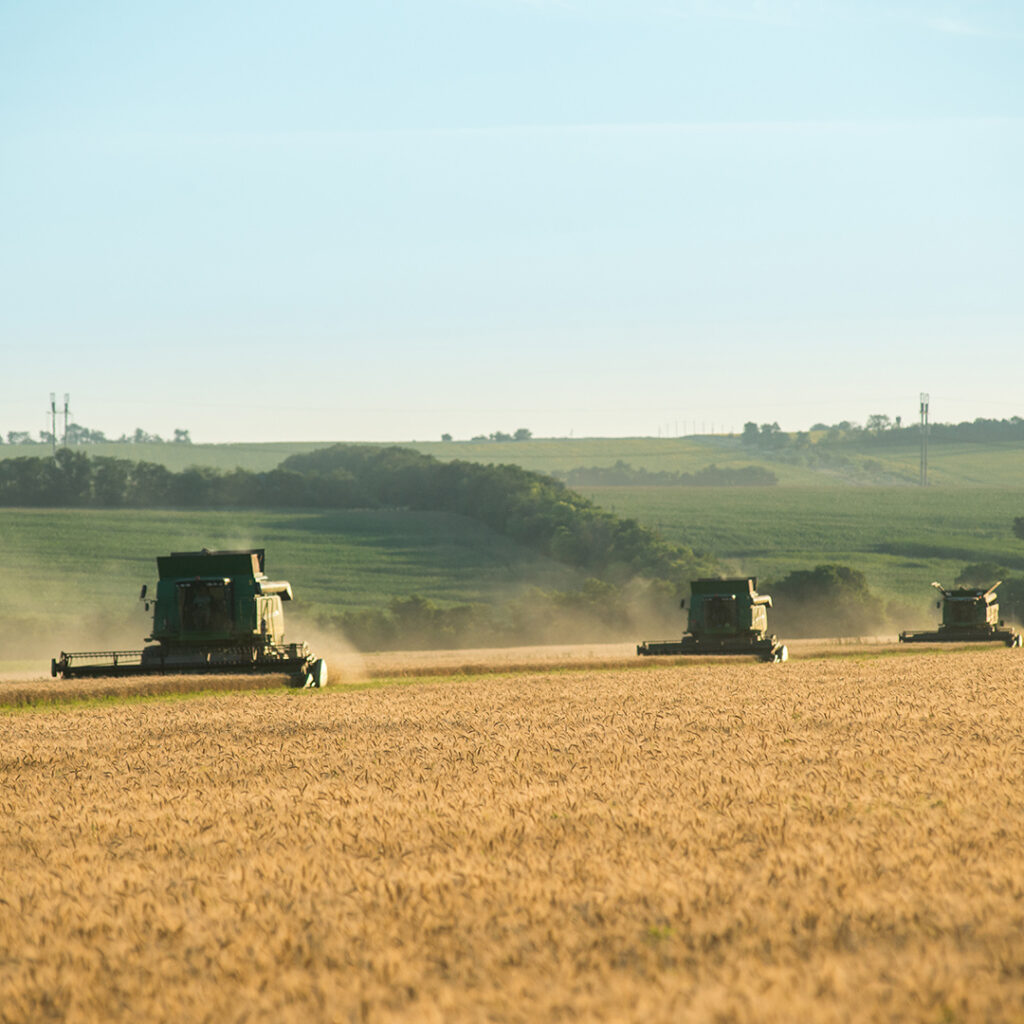

India is one of the world’s largest exporters of agricultural products, supplying premium-quality food commodities to businesses in more than 150 countries. Whether you are a wholesaler, importer, distributor, supermarket chain, or food manufacturer, importing from India can provide exceptional quality at competitive prices.
This guide explains the key steps involved in sourcing agricultural products from India.
Step 1: Choose a Reliable Indian Exporter
The first and most important step is selecting an experienced exporter with a strong reputation.
Look for suppliers that offer:
- Export experience
- Quality assurance
- International documentation support
- Flexible packaging
- Competitive pricing
- Responsive customer service
A professional exporter helps simplify the entire import process.
Step 2: Select the Right Product
India exports a broad range of agricultural commodities, including:
- Basmati Rice
- Non-Basmati Rice
- Psyllium Husk
- Groundnuts
- Soybeans
- Cotton
- Chickpeas
- Spices
- Oil Seeds
Discuss your quality specifications, quantity requirements, and packaging preferences before placing an order.
Step 3: Request Product Specifications
Before confirming the order, buyers should request:
- Product Specifications
- Certificate of Analysis (COA)
- Product Images
- Packaging Details
- Sample Availability
- Price Quotation
Reviewing technical information helps ensure the product meets market requirements.
Step 4: Understand Shipping Terms
International trade commonly uses Incoterms such as:
- FOB (Free on Board)
- CIF (Cost, Insurance & Freight)
- CFR (Cost and Freight)
- EXW (Ex Works)
Discuss the most suitable shipping option with your supplier based on your destination and logistics preferences.
Step 5: Export Documentation
A professional Indian exporter provides documentation such as:
- Commercial Invoice
- Packing List
- Bill of Lading
- Certificate of Origin
- Phytosanitary Certificate (where applicable)
- Other destination-specific documents
Accurate documentation helps avoid customs delays.
Step 6: Quality Inspection Before Shipment
Reliable exporters perform pre-shipment inspections to verify:
- Product quality
- Packaging integrity
- Quantity
- Labeling
- Container loading
This minimizes the risk of disputes after delivery.
Why Source Agricultural Products from India?
Businesses worldwide choose India because of:
- Premium-quality agricultural products
- Competitive global pricing
- Reliable export infrastructure
- Year-round availability
- Experienced exporters
- Flexible private-label solutions
Importing agricultural products from India is a strategic choice for businesses seeking quality, value, and dependable supply. By partnering with an experienced Indian exporter, buyers gain access to world-class products, professional export support, and long-term business opportunities in the global market.