
Explore the top agricultural products exported from India in 2026. Learn why global buyers trust Indian exporters for Basmati Rice, Psyllium Husk, Groundnuts, Soybeans, Cotton, and more.
Top Agricultural Products Exported from India in 2026: A Complete Guide for Global Buyers
When businesses around the world look for reliable agricultural suppliers, India is often one of the first countries that comes to mind—and for good reason.
India isn’t just one of the largest producers of agricultural commodities; it’s also one of the most dependable sourcing destinations for importers seeking consistent quality, competitive pricing, and year-round availability. From premium Basmati Rice served in fine-dining restaurants to Psyllium Husk used in health supplements, Indian agricultural products have earned the trust of buyers across global markets.
As international demand continues to evolve in 2026, more importers are choosing Indian exporters not only for the products themselves but also for the professionalism, supply chain expertise, and long-term business partnerships they offer.
If you’re planning to source agricultural products from India, this guide highlights the country’s leading export commodities and explains why they continue to perform so well in international trade.
Why India Continues to Lead in Agricultural Exports
Agriculture has always been at the heart of India’s economy, but today’s export industry is very different from what it was a decade ago.
Modern processing facilities, improved quality standards, better logistics, and stronger international compliance have transformed India into a preferred sourcing destination for buyers worldwide. Whether the shipment is heading to Europe, the Middle East, North America, or Southeast Asia, exporters today understand that consistency matters just as much as price.
Another advantage is India’s remarkable diversity. Different regions specialize in different crops, allowing exporters to source products throughout the year while maintaining stable supply.
For international buyers, this means fewer disruptions, greater flexibility, and the confidence that products will meet agreed specifications.
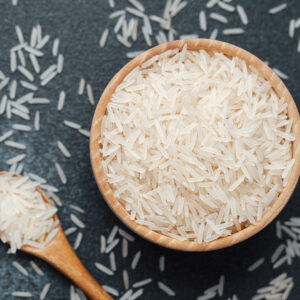
1. Basmati Rice – India’s Most Recognized Agricultural Export
Few agricultural products represent India as well as Basmati Rice.
Known for its naturally long grains, distinctive aroma, and elegant texture after cooking, Indian Basmati has become a staple in households, restaurants, hotels, and food service businesses around the world.
Importers appreciate its consistency. When cooked correctly, the grains remain separate, expand beautifully, and retain their fragrance—qualities that make Indian Basmati stand out in competitive markets.
Demand remains particularly strong in countries such as the UAE, Saudi Arabia, Germany, the United Kingdom, Canada, Australia, and the United States.
For wholesalers and retailers alike, Basmati Rice continues to be one of the most commercially successful agricultural products sourced from India.
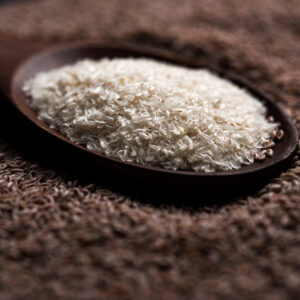
2. Psyllium Husk – A Global Favorite for the Health Industry
India is the world’s leading supplier of Psyllium Husk, producing the majority of the global supply.
As consumers become increasingly focused on digestive health and natural nutrition, demand for Psyllium continues to rise. Manufacturers use it in dietary supplements, pharmaceutical products, breakfast cereals, bakery items, gluten-free foods, and functional beverages.
What makes Indian Psyllium especially attractive is the industry’s experience in producing different purity grades and customized specifications to meet international requirements.
For buyers in the nutraceutical and pharmaceutical sectors, consistency is often more valuable than price alone—and that’s where experienced Indian exporters create long-term value.
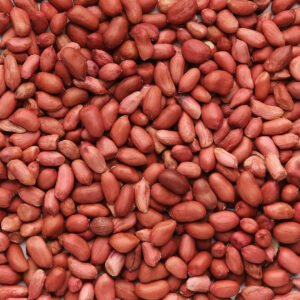
3. Groundnuts – Consistent Quality for Global Food Manufacturers
Groundnuts, commonly known as peanuts, remain one of India’s strongest agricultural exports.
Their applications go far beyond snacks. They are widely used in peanut butter production, edible oils, confectionery, roasted snacks, and processed foods.
Importers often choose Indian Groundnuts because they combine good kernel quality with competitive pricing and dependable supply. Exporters also offer multiple grades and packaging options based on customer requirements, making them suitable for both industrial processing and retail markets.
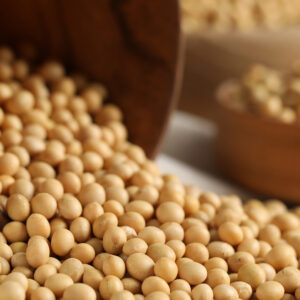
4. Soybeans – Meeting the Growing Demand for Plant-Based Nutrition
As the global food industry shifts toward plant-based ingredients, Soybeans have become increasingly important.
Indian Soybeans are supplied to manufacturers producing edible oils, soy flour, protein concentrates, livestock feed, and numerous processed food products.
For buyers looking for stable sourcing partners, India offers both production capacity and export expertise, making it a practical choice for long-term procurement strategies.
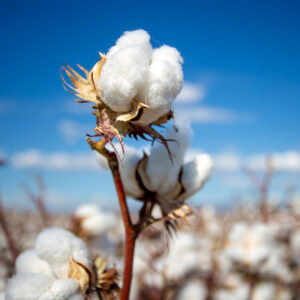
5. Cotton – Supporting the Global Textile Industry
India has earned its reputation as one of the world’s leading cotton-producing nations.
Its cotton is exported to textile manufacturers, spinning mills, garment producers, and industrial fabric companies across multiple continents.
What attracts international buyers is the combination of quality, availability, and competitive pricing. With an extensive textile ecosystem already in place, Indian exporters understand the quality expectations of manufacturers and work to deliver products that meet those standards.
What Makes Indian Exporters a Preferred Choice?
Choosing an exporter isn’t simply about comparing prices. Reliable supply, transparent communication, and consistent quality often determine whether a business relationship lasts for years or ends after a single shipment.
Experienced Indian exporters understand these expectations.
Most invest heavily in quality inspections, modern packaging, documentation, and logistics coordination. They recognize that international trade depends on trust as much as products.
Many exporters also provide flexible packaging options—from retail-ready packs to bulk industrial packaging—allowing buyers to source according to their business model rather than adapting to a one-size-fits-all solution.
Quality Is More Than a Promise
One of the biggest concerns for international buyers is consistency.
Reputable exporters address this through structured quality control at every stage, from sourcing and grading to cleaning, laboratory testing, packaging, and final container inspection.
These processes help reduce quality variations and ensure products arrive in the condition buyers expect.
For businesses importing regularly, that level of consistency can significantly reduce operational risks and strengthen customer satisfaction.
How to Select the Right Agricultural Export Partner
Finding the right supplier requires more than requesting a quotation.
Before making a purchasing decision, buyers should evaluate an exporter’s experience, communication, quality standards, packaging capabilities, documentation process, and ability to deliver on schedule.
A supplier who understands international business practices can often prevent small issues from becoming costly delays.
The strongest partnerships are built on transparency, responsiveness, and a shared commitment to long-term success—not simply on offering the lowest price.
Looking Ahead
Global demand for agricultural products continues to grow as populations expand and consumers place greater emphasis on food quality, nutrition, and supply chain reliability.
India is well positioned to meet these expectations.
With its broad agricultural base, experienced exporters, and improving infrastructure, the country continues to strengthen its role as one of the world’s most dependable sourcing destinations.
For businesses seeking trusted suppliers of Basmati Rice, Psyllium Husk, Groundnuts, Soybeans, Cotton, and other agricultural commodities, India offers not only products but also the expertise and reliability needed to build lasting international partnerships.
Frequently Asked Questions
Which agricultural products does India export the most?
India exports a wide variety of agricultural products, including Basmati Rice, Non-Basmati Rice, Psyllium Husk, Groundnuts, Soybeans, Cotton, Spices, Tea, Coffee, and Pulses.
Why do global buyers prefer Indian agricultural exporters?
Indian exporters are known for competitive pricing, consistent product quality, flexible packaging, reliable documentation, and extensive experience serving international markets.
Can Indian exporters customize packaging?
Yes. Many exporters offer private-label packaging, customized branding, and bulk packaging solutions tailored to the needs of wholesalers, distributors, retailers, and food manufacturers.
What should buyers look for when choosing an exporter?
Look for experience, transparent communication, strong quality-control systems, export documentation expertise, and a proven track record of delivering products on time.
Final Thoughts
India’s agricultural export industry is built on more than production capacity. Its strength lies in combining quality, reliability, and global trade expertise.
Whether you’re an established importer or entering the market for the first time, working with a trusted Indian exporter can simplify sourcing, improve supply chain stability, and create long-term business opportunities.
As international demand continues to grow, India remains one of the most dependable partners for businesses seeking premium agricultural products backed by professional export services.